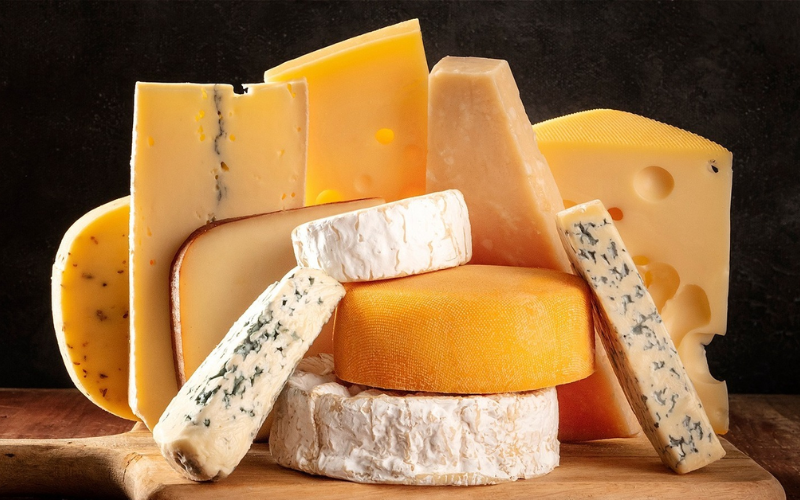
You’re prepping a beautiful lasagna, maybe a gourmet mac and cheese, or you just want the perfect grilled cheese sandwich—golden, gooey, stretchy. But somehow, your cheese just… doesn’t cooperate. It clumps, it oils out, or worse, it stays stubbornly intact. That can be incredibly frustrating.
So what gives?
Why does that pricier cheese from the specialty section melt like a dream, while the cheap stuff acts more like plastic?
This post will unpack the real reasons why fancy cheese tends to melt better and why it matters for your cooking. We’ll look at the science (yes, but simply), compare types, and even explore how you can choose the right cheese depending on what you’re cooking. Because honestly? Once you’ve experienced truly good melt, it’s kind of hard to go back.
Key Takeaways
- Higher-fat, aged cheeses melt more smoothly than processed or low-moisture ones.
- The structure of proteins and moisture content play a huge role.
- Specialty cheeses often skip additives that interfere with proper melting.
- Better-melting cheeses create creamier sauces, crisper tops, and richer flavor.
- Choosing the right cheese isn’t just about taste—it’s about performance.
Why Some Cheeses Just Don’t Melt Well (And That’s OK)
Let’s be clear: not all cheeses are meant to melt. That’s by design. Cheeses like paneer, halloumi, or queso fresco hold their shape under heat because of how their proteins were structured during processing.
Here’s the deal:
- Acid-set cheeses (like paneer) coagulate with acid, not enzymes, forming dense, heat-stable curds.
- Fresh cheeses usually have high moisture and minimal aging, making them great for crumbling but not so great for oozing.
So if your cheddar behaves weirdly, it’s not you—it’s the cheese. Especially if it’s a cheaper version filled with anti-caking agents or stabilizers (more on that later).
The Science Behind a Perfect Melt
Meltability depends on a few key cheese traits:
1. Moisture Content
High moisture = more flexibility = better melt.
Low-moisture cheeses dry out fast, especially under high heat, and become rubbery.
2. Fat Content
More fat helps break up the protein matrix as it heats, leading to a creamier, more fluid melt. This is why triple-cream cheeses or aged bries often melt better than reduced-fat versions.
Fun Fact: According to the Wisconsin Center for Dairy Research, cheese needs around 33% fat in dry matter for an ideal melt.
3. Protein Breakdown (Aging)
As cheese ages, enzymes slowly break down its proteins, making the structure less rigid. This makes it more likely to melt evenly when heated.
4. pH Balance
A pH closer to neutral (around 5.3–5.5) gives the best melt. Too acidic or too alkaline, and the cheese will either clump or leak oil.
What Makes Fancy Cheese Different?
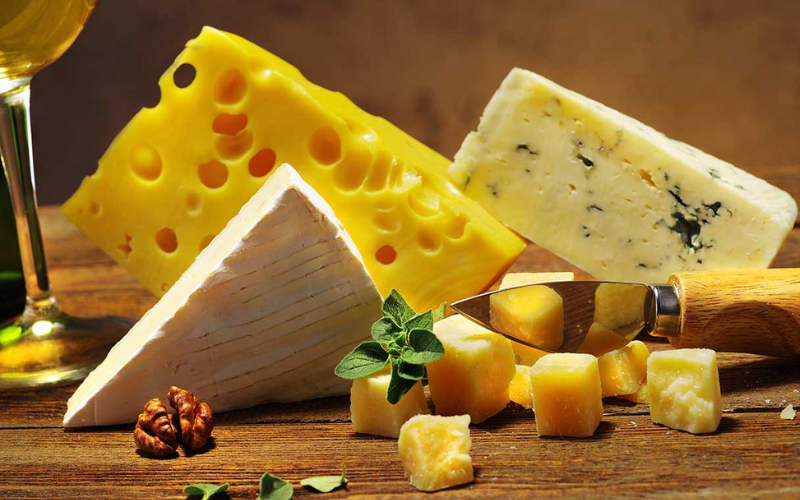
Let’s break this down with some practical comparisons.
Fancy (Artisanal or Aged) Cheese:
- Minimal additives
- Higher-quality milk sources (sometimes raw, often grass-fed)
- Longer aging time, creating richer flavor and better melt behavior
- Balanced fat-to-moisture ratios
Budget or Processed Cheese:
- Often includes fillers, anti-caking agents, and emulsifiers
- Can contain modified milk ingredients, not whole milk
- Designed more for shelf life than performance
- Might taste okay cold, but heat exposes its shortcomings fast
That doesn’t mean you have to spend $20 on imported Gruyère every time. But being picky about your cheese, especially when cooking something melty, can totally elevate your dish.
Melting Matters: How Melt Impacts Texture, Taste, and Appeal
There’s something inherently comforting about perfectly melted cheese. Think about it:
- Creamy sauces like alfredo or mornay are smoother with better-melting cheeses.
- Pizza cheese pulls owe their stretch to balanced moisture and aging.
- Gratins and casseroles develop golden, crispy tops only when cheese emulsifies properly.
Now imagine using low-grade shredded mozzarella. It’ll probably leak oil, form hard patches, and give you that greasy-aftertaste situation. Not great.
In contrast, using a melting-friendly cheese like Fontina or Taleggio will transform your dish into something buttery, savory, and unforgettable.
Tips for Choosing a Cheese That Melts Well
If you’re browsing the dairy aisle or standing at a deli counter, keep these quick rules in mind:
- Go for aged cheese (6+ months if possible).
- Look at the ingredient list—avoid too many stabilizers or added starches.
- Trust your hands—if it’s dry and crumbly, it probably won’t melt well.
- Choose higher fat content—think triple cream brie or whole milk cheese.
- Shred or cube it yourself—pre-shredded options are coated with anti-clumping agents like cellulose.
Looking for healthier shopping options to support your cheese experiments? You might want to check out The Top Things You Can Find At Health Food Stores, especially if you’re considering organic or grass-fed varieties.
Real-World Frustration: Processed Cheese Gone Wrong
Let’s say you’re trying to save a buck and grab one of those huge bags of shredded “cheese product.” You use it in your breakfast bake. It melts, kind of… but then it separates. You get oil pooling on top, and this strange rubbery texture.
That’s because processed cheese often contains emulsifying salts like sodium citrate, which help hold things together during manufacturing—but not necessarily when heated in your oven.
Do Price and Brand Really Matter?
Honestly? Sometimes.
You don’t have to go full gourmet every time, but:
- Paying a little more often gets you better milk, fewer additives, and longer aging.
- Generic cheeses might be okay cold, but they often lack the melting finesse that takes a dish to “wow.”
If you’re trying to balance quality and budget, check out this post on How To Save Money At The Grocery Store?. It has solid tips for maximizing flavor without breaking the bank.
Bonus: How to Improve Cheese Melting at Home
Even with good cheese, a few techniques help things along:
- Grate it fresh—more surface area means quicker, even melting.
- Use low, steady heat—high temps can shock proteins and cause separation.
- Add a splash of acid—like white wine or lemon juice, especially in sauces.
- Add starch (sparingly)—a little flour or cornstarch can help emulsify sauces.
Final Thoughts: It’s Not Just Taste—It’s Technique
If you’ve been frustrated with clumpy cheese or broken sauces, you’re not alone. And while taste is a huge reason to choose high-quality cheese, the way it melts plays just as big a role in your dish’s final look, feel, and comfort factor.
So yes, fancy cheese often melts better. But now you know why—and more importantly, how to use that knowledge.
Try experimenting with a few of the cheeses we’ve covered. You’ll likely notice the difference the very first time—and your grilled cheese will never be the same.
FAQ
Q1: What cheese melts the smoothest?
Cheeses like Fontina, Gruyère, and Havarti melt very smoothly due to their high fat and moisture content and mild aging process.
Q2: Why doesn’t my shredded cheese melt properly?
Pre-shredded cheese often includes anti-caking agents like cellulose, which can interfere with melting and lead to clumping or oil separation.
Q3: Is fancy cheese healthier than regular cheese?
Not necessarily, but it often contains fewer artificial ingredients or additives, especially if it’s artisanal or organic.
Q4: Can I improve melt quality with cooking technique?
Yes! Use low, even heat, add acids like wine, and stir gently to prevent proteins from breaking down unevenly.


