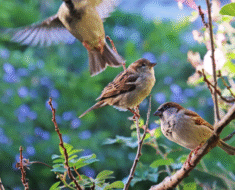
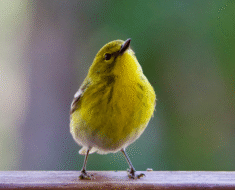
Birds don’t stop for bad weather, but man, do they change up their game. I’ve spent enough mornings staring out my kitchen window—coffee in hand, binoculars nearby—to notice how a sudden chill or downpour flips their routine upside down. Rain, wind, those sneaky pressure shifts, even humidity—they all tweak when birds show up, what they’re after, and how frantic (or chill) they seem. Figuring this out has made my backyard birding way more fun, and it kind of opens your eyes to bigger stuff like how climate shifts are messing with ecosystems. Stick around; we’ll dig into the real-world patterns I’ve noticed over years of watching, plus some easy tweaks for your own setup to keep the action coming year-round.
Temperature’s Grip on the Day
Cold mornings hit birds hard. You’ll see them hunker down in thick bushes or evergreens, saving precious energy till the sun cracks through and things thaw a bit. Then bam—they scatter out foraging like they’ve got a schedule. Hot afternoons? Total opposite. Things get lazy; think shaded branches, less chatter, maybe a quick dip in a birdbath. I’ve seen house finches hammer my feeder non-stop during a cold snap; their little metabolisms must be screaming for fuel to stay warm. Mild days though? Steady action from dawn to dusk—everyone’s out hunting seeds, bugs, whatever’s on offer. Heat waves kill the vibe entirely, sending goldfinches and chickadees into siesta mode under the porch eaves. And don’t get me started on that freak 90-degree December days we get now—birds act confused, like they’re waiting for winter to remember itself.
Rain and Wind: Foraging Frenzy or Hideout Time
Drizzle’s honestly a gift for bug-eaters. Worms and grubs pop up from the soil, insects scurry under bark, and warblers or creepers go nuts probing every crevice. You can spot ‘me right from your window if you’ve got some leaf litter nearby. But pour buckets? Forget the singing contests; heavy rain muffles call and makes flights sloppy, so they stick close to cover, darting quickly between feeding spots and shelter. Wind’s trickier and more chaotic. A light breeze helps them glide far with less effort, covering ground to snag distant food. But gusts over 20 mph? Flocks scatter like confetti, everyone hunkering on leeward perches. Last big storm here, my northern cardinals vanished into the evergreens for hours, only peeking out when it died down. Watch rain and wind tag-team, and you’ll predict exactly where the action hides in your yard—usually the downwind side with good cover.
Pressure Drops and Migration Drama
Migrants treat barometer dips like “hold up” signals. Low-pressure systems roll in with overcast skies and rain, forcing layovers—even if post-storm bug booms turn it into an unexpected buffet. High pressure’s their green light: clear skies, steady thermals for effortless soaring. No rigid calendar rules this; it’s all about weather windows. I tracked some Canada geese last fall—they piled up on my pond during that weird multi-day low, gorging on spilled corn from the neighbor’s silo, then poof, vanished overnight on the high-pressure clear-out. Swallows and raptors do the same, stacking up behind fronts. If you’re into eBird or local counts, cross-check with weather maps; the patterns jump out.
Seasons Layer It On (With a Climate Twist)
Weather doesn’t hit solo—it messes with resources birds crave seeds, nectar, fruit, protein-packed insects. Mild winters stretch their foraging day with bugs still buzzing; brutal cold means caching sunflower seeds in bark crevices or raiding feeders like mine non-stop. Spring showers explode the bug buffet, kickstarting nests and that insane dawn chorus. I’ve had purple martins swarm my yard after a good rain—prime aerial insect hunting. Droughty summers bunch up seeds and nectar in surviving patches, flipping who visits when: hummingbirds at dawn, finches at dusk. And yeah, climate weirding amps this—longer falls mean late migrants overlapping with early breeders, changing your whole backyard crew.
Hands-On Ways to Tune in and Help Out
-
Jot weather notes daily: Grab a cheap notebook—temp, rain amount, wind direction/speed. Patterns jump out after a couple of weeks, like “chickadees love 50-60F with light wind.”
-
Smart feeder spots: Tuck ‘elm in shade for scorchers, behind windbreaks for gales. Mine’s under the deck overhang—gold for storms.
-
Mix offerings widely: Black oil sunflower, nyjer, suet cakes, even a hummingbird feeder. Birds switch as bugs/seeds shift.
-
Water station always: Shallow dish with pebbles—game-changer in dry heat or frozen ground. Refresh daily.
-
Stay clean and local: Scrub feeders weekly, match food to your birds (no millet if doves skip town). Dodge disease outbreaks.
Species-wise, it’s wildly varied. Flycatchers love damp hunts under leaves; sparrows climb high post-frost when ground thins. Titmice get bold in the wind; woodpeckers ignore rain. Tweaking for that pulls in more variety—my suet block became wren central after a wet spell.
Wrapping It Up
Weather’s this wild card that keeps birdwatching fresh—sometimes baffling, always revealing something new about these tough little survivors. Tune into temps, rains, winds, pressure quirks, and you’ll guess their next move while building a spot they can’t resist. Casual spotter with a window view or hardcore lister chasing county ticks, it deepens every glimpse. Want seed smarts for your crew? Check our piece on Best Types of Birdseed for Different Wild Bird Species. Oh, and for the full rundown on who’s who in your yard, the wild bird guide ties it all together with pics and ID tips.