Anyone who’s ever paused to watch a bird at the feeder knows that backyard birdwatching brings quiet delight. Catching sight of a brilliant cardinal or hearing the first songs at sunrise can make an ordinary day feel magical. But if you’re asking, “When is the best time to spot local birds in your backyard?”—timing truly matters. Birds follow their own rhythms, and knowing these natural windows can be the key to a successful sighting.
Early Morning: The Dawn Chorus
Most backyard birds are up early, greeting the day with their dawn chorus between sunrise and around 9 a.m. Songbirds like robins, sparrows, and warblers become especially active during this cool, quiet stretch. The stillness allows their calls to travel farther, and it’s a great time to catch them marking territory or seeking mates. Stock your feeder the night before, and odds are you’ll wake up to chickadees, cardinals, and blue jays fueling up after a long night. With a bit of patience, you may even catch shyer guests—like woodpeckers or thrushes—fluttering through the trees.
Midday: The Quiet Spell
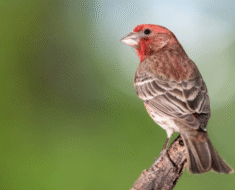
As the morning turns into midday, bird activity typically dips. Birds avoid the hottest hours, seeking out shade or thicker foliage to stay cool. You might still spot mourning doves, house finches, or even raptors circling high as they catch midday thermals. If you’re using this time for bird photography, focus on shaded branches, spots near birdbaths, or garden edges. Birds may be quieter, but they’re often just out of plain sight.
Late Afternoon and Evening: The Second Surge
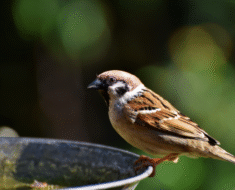
Bird activity picks up again from late afternoon into early evening (typically from 4 p.m. to 7 p.m.). Birds head back to feeders and fruiting trees, gathering energy for the coming night. The lower, softer sunlight makes this a pleasant, easy time for watching and photographing. Set up a west-facing feeder for the best light, and you might coax a final visit from wrens, nuthatches, or sparrows with a sprinkle of new seed before dusk.
Night: Subtle Activity and New Sounds
When darkness falls, most backyard birds settle in for the night. But for some, like owls and nightjars, the nightly hunt is just beginning. Listen closely outdoors, and you may catch soft hoots, rustling, or calls under the stars. Night isn’t silent—it just swaps one cast of characters for another.
Adjusting for the Seasons
Bird schedules aren’t set in stone—they shift with daylight hours and weather. Spring brings energetic dawn activity, while summer birds start earlier and seek shade sooner. Fall is for feeding up, so watch for foragers. Winter often flips midday into a hot zone, as birds feed to stay warm. Adapting your watch times to the season can boost your luck and deepen your appreciation for birds’ routines.
How to Make Birdwatching More Rewarding
You don’t need to be a specialist to find joy in birdwatching. Try these practical tips:
-
Offer food and water consistently. Regular routines keep birds coming back.
-
Position feeders and baths near natural cover to help birds feel secure.
-
Keep still and quiet. The less you move, the more you’ll see.
-
Enjoy the view. Birdwatching from indoors through a window can be just as eventful as sitting outside.
Birdwatching rewards the patient and observant. Over time, birds grow used to your presence, turning your yard into a lively, familiar haven.
Why Timing Matters
Understanding when birds are active deepens your connection to nature and helps you create a welcoming backyard habitat. Those moments watching a robin fluff its feathers or a sparrow peck nearby become small treasures. So grab a warm drink, step outside, and let the rhythms of your local birds refresh and calm you daily. If you want to learn more about helping sparrow populations thrive, check out the Sparrow Conservation Guide: How to Help Local Populations Thrive.
Birds’ backyard activities mirror their needs for energy and safety: early mornings see a flurry of feeding to replenish energy lost during the night, mid-day offers quiet rest, and afternoons peak again as birds prepare for night. Understanding when local birds are most active helps you see their world with fresh eyes, appreciating their daily routines and remarkable behaviors. Knowing these patterns helps make every birdwatching session more rewarding, whether during a peaceful morning coffee or a calm evening stroll. Your yard becomes a stage for nature’s timeless ballet, waiting quietly for your attention.
Conclusion: Tuning Into Nature’s Rhythm
Spotting backyard birds isn’t random—it’s a matter of noticing nature’s clock. Early mornings and late afternoons give you the best chances, but surprises can happen during any hour. The more you slow down and look, the more you notice—sometimes a flash of color, other times just a soft song. Both moments count. Birdwatching is about paying attention, tuning in, and remembering that the simplest routines—like scanning your yard and listening for wings—can lead to unexpected, everyday wonder.